







Sea Sand
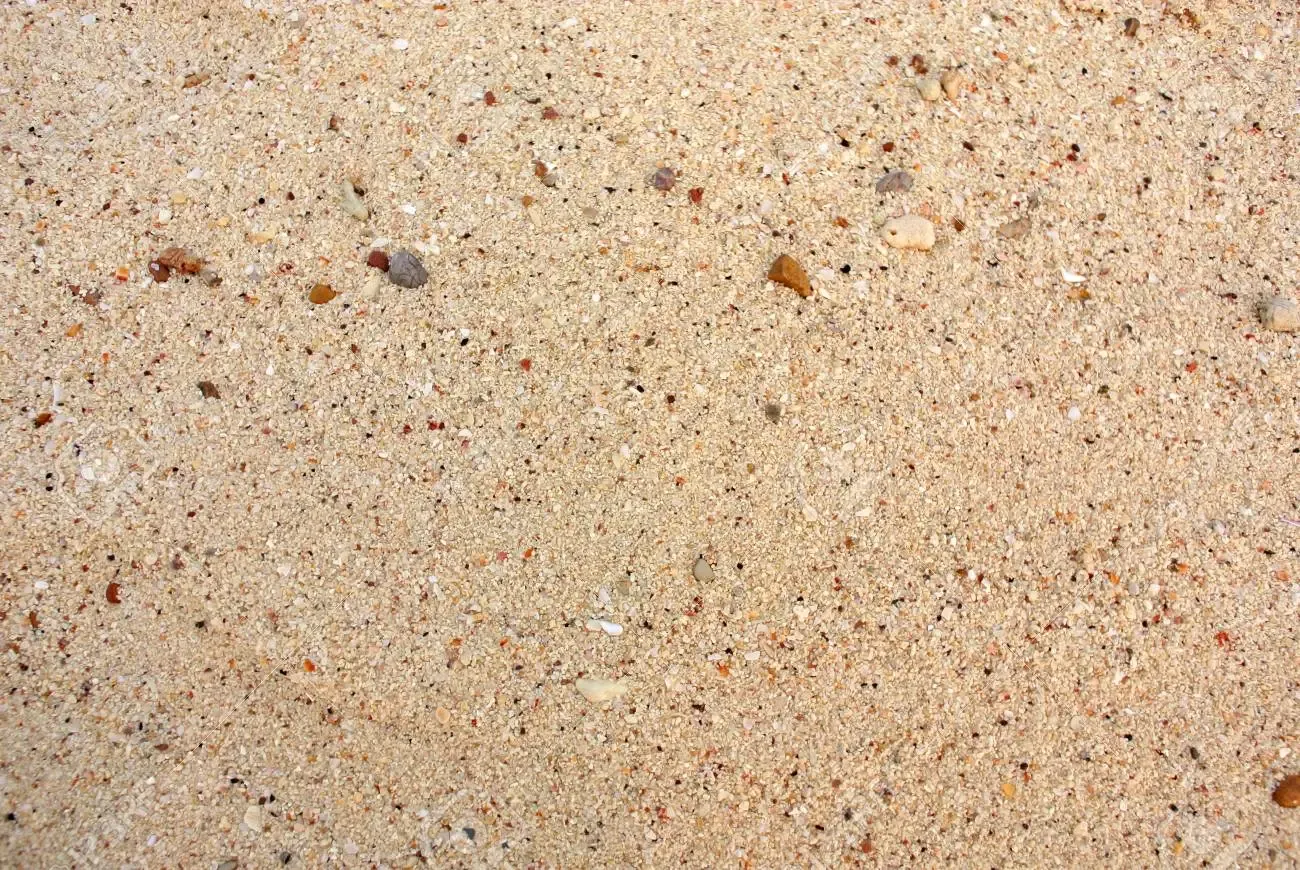
In certain nations, sea sand (also known as offshore or marine sand) is used in coastal locations. The Netherlands is the leading extracting country, followed by the United Kingdom, Denmark, and France. Sea sands are already widely used in local concrete building in China, where coastal areas are rich in sea sand. However, because of the extra chlorides deposited in salty water, these sands must be treated before being utilised.
These sands are normally appropriate for manufacturing foundation and sub-base concrete, and experiments have indicated that they can even be used to make reinforced concrete. However, the building sector is adamantly opposed to it.
While sea sand has various advantages such as:
- it is more rounded or cubical like river sand
- being natural deposit the grading is generally good and consistent
- contains no organic contaminant or silt
- abundantly available
- can be mined at a low cost
The presence of marine shells and the chloride concentration are the major reasons why it is not suitable for concrete production.
It has been claimed that while shell presence has little influence on concrete strength, it does affect workability. Further research has revealed that shells larger than 5mm reduce workability slightly, but shells smaller than 5mm have no effect. As a result, sea sand is not an impediment to concrete in this situation.
There are numerous points of view on chloride content, and the criteria on the extent of chloride content also varies significantly. Chloride, on the other hand, is known to impact the longevity of concrete buildings by attacking and corroding the reinforcements. Chloride in concrete can come from a variety of sources, including cement, aggregates, and water.
The presence of sea shells and the chloride concentration are two major reasons why it is not suitable for concrete production.
Shell content has been said to have little influence on concrete strength, although it does affect workability. Further research has revealed that shells larger than 5mm have a marginal influence on workability, whereas shells less than 5mm have no such effect. As a result, sea sand isn't an impediment to concrete in this situation.
There are numerous points of view on chloride content, and criteria on the extent of chloride content also varies significantly. Chloride, on the other hand, is known to impair the durability of concrete buildings by attacking and corroding the reinforcements. Cement, aggregates, and water can all include chloride in concrete.